Digital products people actually want to use
We combine complex business logic with a simple, polished user experience. We help you validate the idea and build a product that supports your business goals.
Simplicity with complexity underneath
Do you have a product vision and little time to validate it? The biggest risk at this stage is building something nobody will want to use.
In retail, the winner is the product customers reach for on their own. Instead of piling on features or focusing only on looks, you first need to check one thing. Does the idea answer a real user need?
An app can have advanced logic under the hood. Recommendation engines, artificial intelligence or 3D modules. We hide all that technical complexity in a simple user journey. Users should reach their goal without obstacles.
We develop systems in stages that support the next decisions
UX research and discovery
We check whether the problem exists at all and whether customers will pay for a solution, before the first line of code is written.
Web and mobile apps
We build convenient apps for consumers and intuitive panels for the teams that serve them behind the scenes.
Prototypes and MVP
We release the first version with a narrow scope, just enough to validate it and collect market data.
AI and automation
We add recommendations, smart search and clever personalization where they shorten the path to purchase the most.
Integrations
We connect sales, inventory and CRM into one ecosystem that feels seamless to the customer.
Support & maintenance
After launch, we develop the product based on behavior analytics and look at what users do, not just what they say.
Cybersecurity
We secure payments, orders and customer data thoroughly at the design stage.
Cloud
We sell and configure infrastructure that meets legal requirements. As an AWS and Scaleway reseller, we keep costs optimized, and we will adapt the code to any provider you choose.
We design systems following a process
In a product for end users, what matters most is whether we build the right thing. Working to a set process protects your budget from building features nobody needs.
We get to know users and validate the need
We learn how customers actually behave and test the potential of the idea before the first line of code is written.
We design to simplify the experience
We simplify the purchase path to the minimum. We move all operational and system complexity to the technology back end.
We build an MVP and develop it on data
We launch the product as an MVP and measure the market response right away. We develop the system based on what users actually do.
Digital solutions for modern retail
We design and build tools customers reach for of their own accord. See selected projects for our partners.
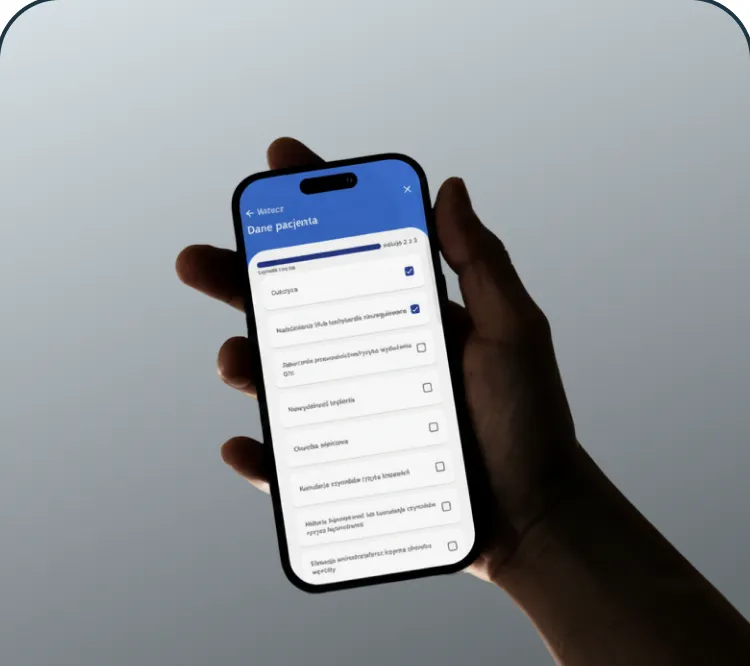 Mental health education app: Diagnozuj i LeczTogether with Angelini Pharma, we created the “Diagnozuj i Lecz” (Diagnose and Treat) app. It supports doctors and people recognizing early symptoms of depression. The main goal of the project is to raise awareness of mental health.
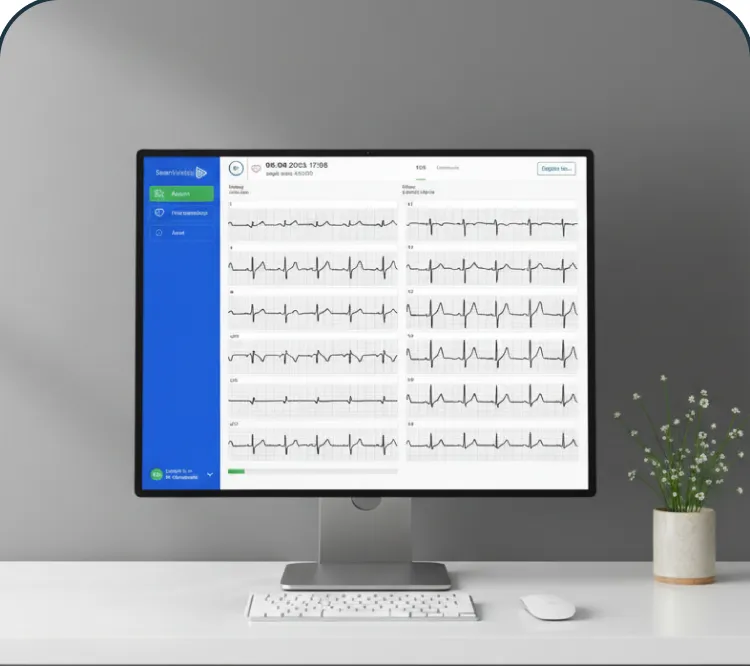 ECG mobile app for SmartMedicsSmartMedics is an innovative app that integrates with ECG devices. It helps doctors diagnose and monitor patients in real time.
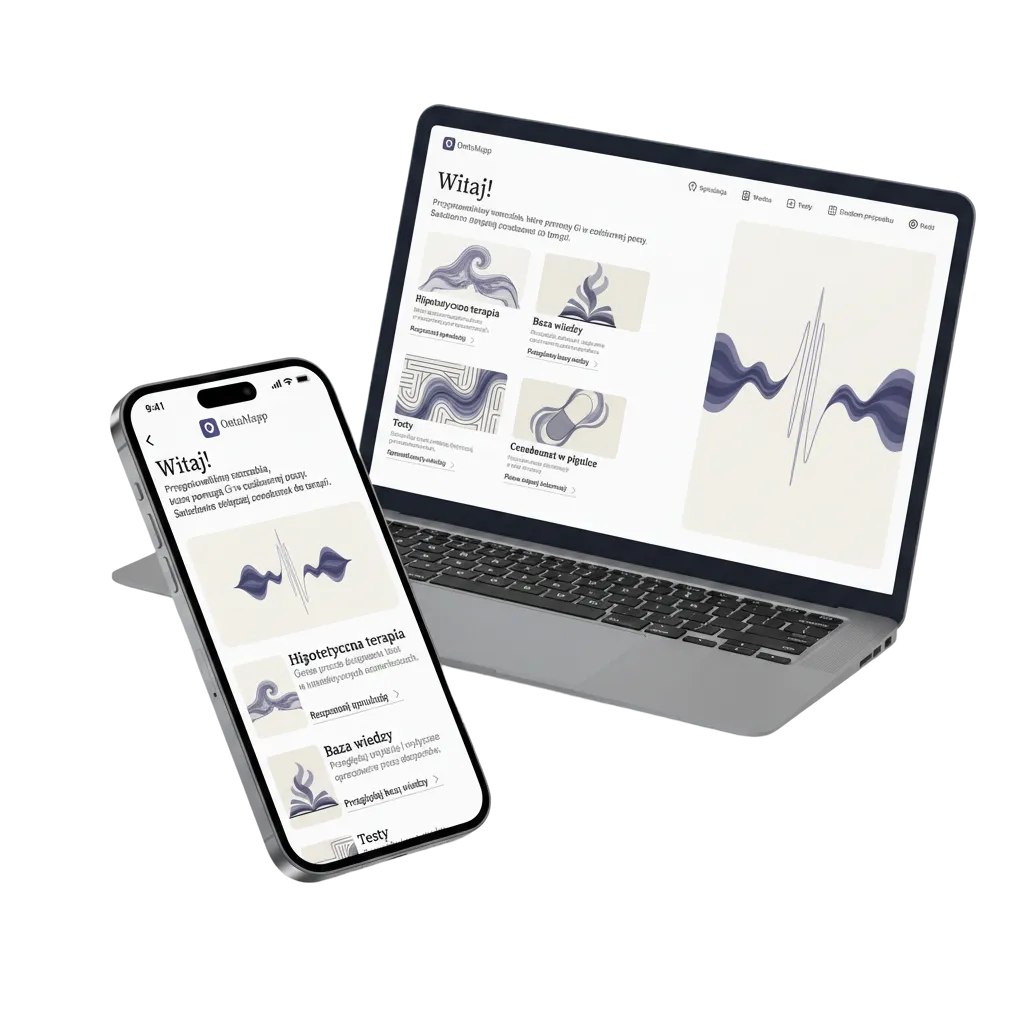 Education platform for neurologists treating drug-resistant epilepsyWe designed a platform that helps neurologists make decisions about anti-epileptic therapy. The project had to bring medical knowledge, user experience and business requirements together in one tool.
- Mental health education app: Diagnozuj i LeczTogether with Angelini Pharma, we created the “Diagnozuj i Lecz” (Diagnose and Treat) app. It supports doctors and people recognizing early symptoms of depression. The main goal of the project is to raise awareness of mental health.
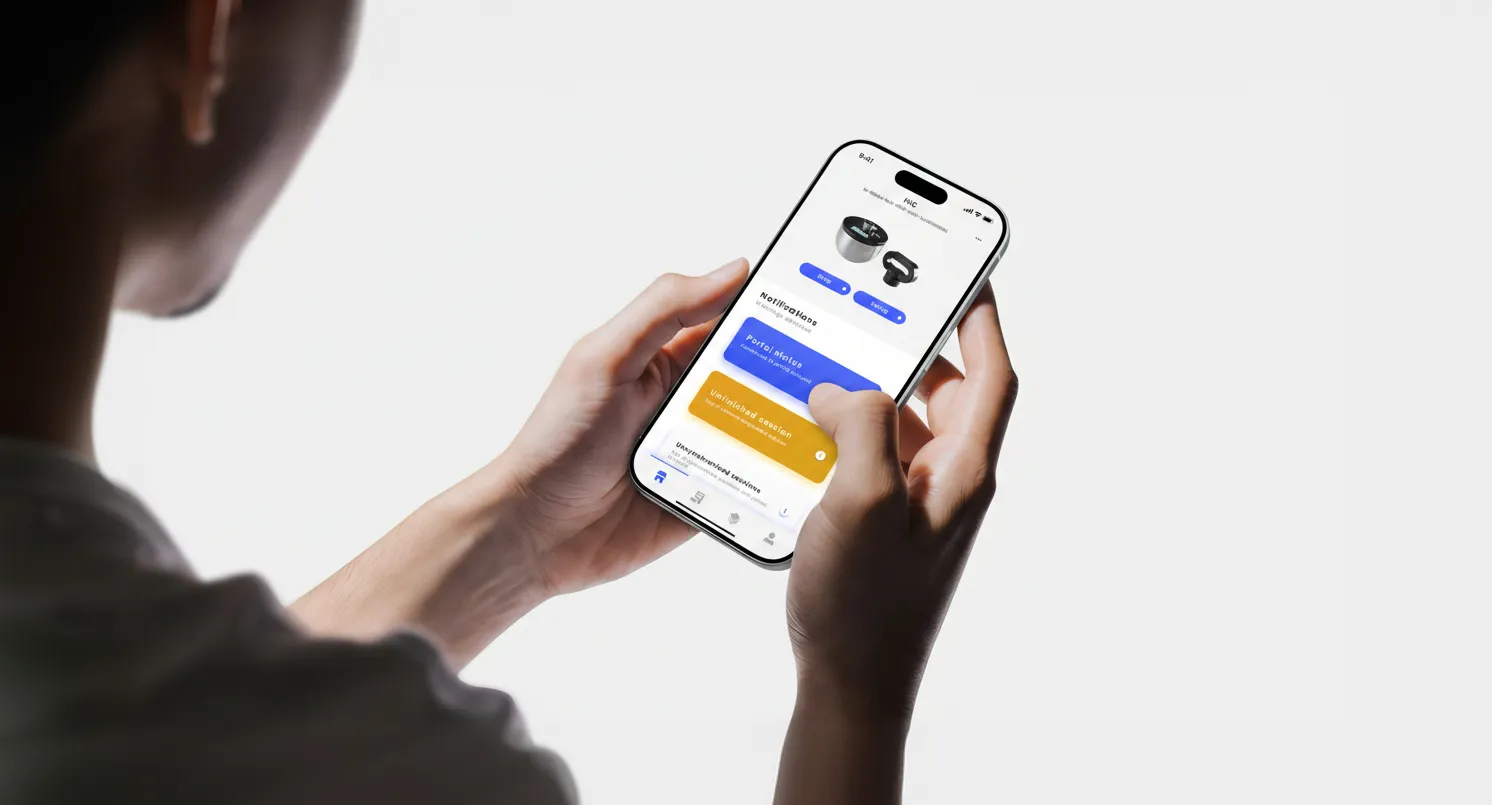 We built the product, then kept developing the appPlaygrounds & Pitches is a mobile and web platform for assessing the safety of sports surfaces. The app works with specialized measuring devices and supports inspectors in the field.
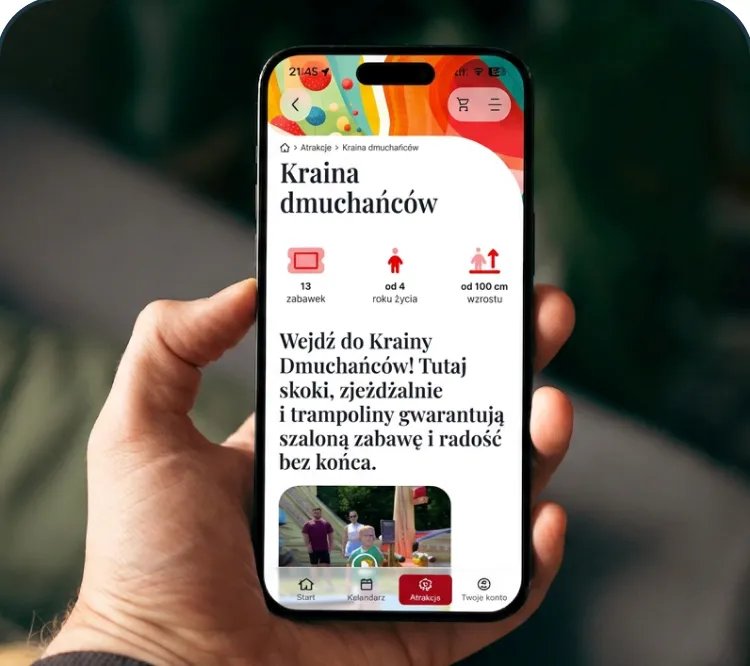 Mobile app for Julinek Amusement ParkJulinek is an amusement park with an established brand and a wide range of attractions. Our task was to design and build a mobile app that lets visitors plan their visits, buy tickets and make the most of the park with ease.
See how we work with companies of every size
Startup
Have an idea for a new product? We build a stable MVP on solid architecture, ready to grow and scale without friction.SME
Looking for a predictable IT partner? We build and scale advanced systems, keeping to your budget and fully compliant with standards at every stage.Enterprise
Running a complex business system? We build and maintain mission-critical solutions with demanding security and compliance requirements.












- Braster
- IVES System
- Julinek
- Zign Innovation
- Genexo
- Wirelessvalue
- Blesu
- Ludify
- Big Sur Analytics
- SmartMedics
- Angelini Pharma
- SoDA
Have an idea for a new product?
Let's talk about how to safely validate its potential before you commit a larger budget.
Frequently asked questions
We have gathered the most common questions to help you better understand our services and processes.
How do you check whether an idea makes business sense before coding starts?
With research among the target group, at minimum as usability tests of a prototype. We observe what users actually do when they meet the first assumptions, not what they declare in a survey. On top of that comes market and competitor research and a review of the data the client already has and usually does not use. The goal is to catch false assumptions before they become costs, not to confirm the idea the board came in with.
How do we avoid building features nobody will use?
The order is the reverse of the usual one. First you test a mockup, then an MVP is built with only the core purchase flow, and only then the rest. After launch, we look at behavior in the product and decide on that basis what to build next. A feature enters the backlog with a hypothesis and a way to test it, so after a few weeks you know whether it worked. Without this, the backlog grows forever and nobody removes what did not work from the product.
How long does it take to launch the first version of a shopping app?
From one to six months from the end of discovery to a release that serves the first customers, with a clearly defined scope for that first version. The biggest variations come not from the app itself but from integrations: inventory, prices, promotions and the payment gateway can take more time than the entire frontend. That is why in the first week we check which APIs your systems actually provide, not which ones they should provide according to the documentation.
Are our store and app subject to the European Accessibility Act?
Most likely, yes. The rules on the accessibility of products and services cover e-commerce and have applied since June 2025, with an exemption for some service microenterprises. In practice, this means compliance with WCAG at level AA and the EN 301 549 standard: screen reader support, contrast, keyboard navigation, correct form labels and an accessible purchase flow from start to finish. When accessibility is built in from the start, we include it in the interface design. Added to a finished app, it costs many times more and usually requires rebuilding components.
How do you combine advanced recommendations with a simple interface?
The complexity stays in the backend. The user gets the result, not a view of how it was calculated. The rule we apply is: we show only the information needed to make a specific decision on that screen. The rest is available but not visible by default. Recommendations add one more thing: the system has to behave sensibly even when there is no data because the user is new. We design this scenario first, not as an edge case.
Will you integrate the app with our inventory and payments?
Yes. The architecture assumes automated data exchange with ERP and CRM systems and with payment gateways. We treat manual file exports as a temporary solution, not a target one. The key issue is keeping inventory consistent when selling in several channels at once, so we agree up front which system is the source of truth for price and availability. The operations team sees orders from all channels in one place.
What makes customers come back to a shopping app?
Predictability and no friction in repeated actions. After launch, we track navigation paths, look for where carts are abandoned and then make changes in small steps. User habits are an asset, so we avoid rebuilding navigation until the data shows the current one is actually doing harm. The biggest gain in retention usually comes not from a new feature but from a shorter path to repeating the previous purchase.