
Educational platform for neurologists on drug-resistant epilepsy
We designed an educational platform that helps neurologists deepen their knowledge of pharmacotherapy for drug-resistant epilepsy.
- Product
- Web and mobile app
- Users
- Neurologists
- Scope
- Discovery, UX, prototyping, usability tests with users
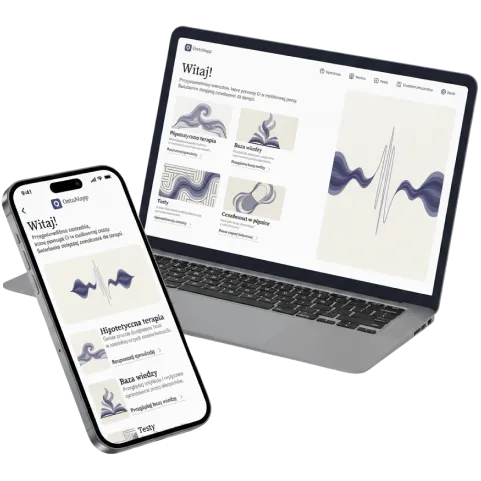
How do you turn complex medical knowledge into a useful educational tool?
The client needed a solution that makes it easier for neurologists to find their way through specialist materials on epilepsy therapy.
The core idea of the product is to present educational materials verified and approved by a Scientific Board.
Our task was to turn this knowledge into an educational tool that is clear, logical and does not add to the user's cognitive load.
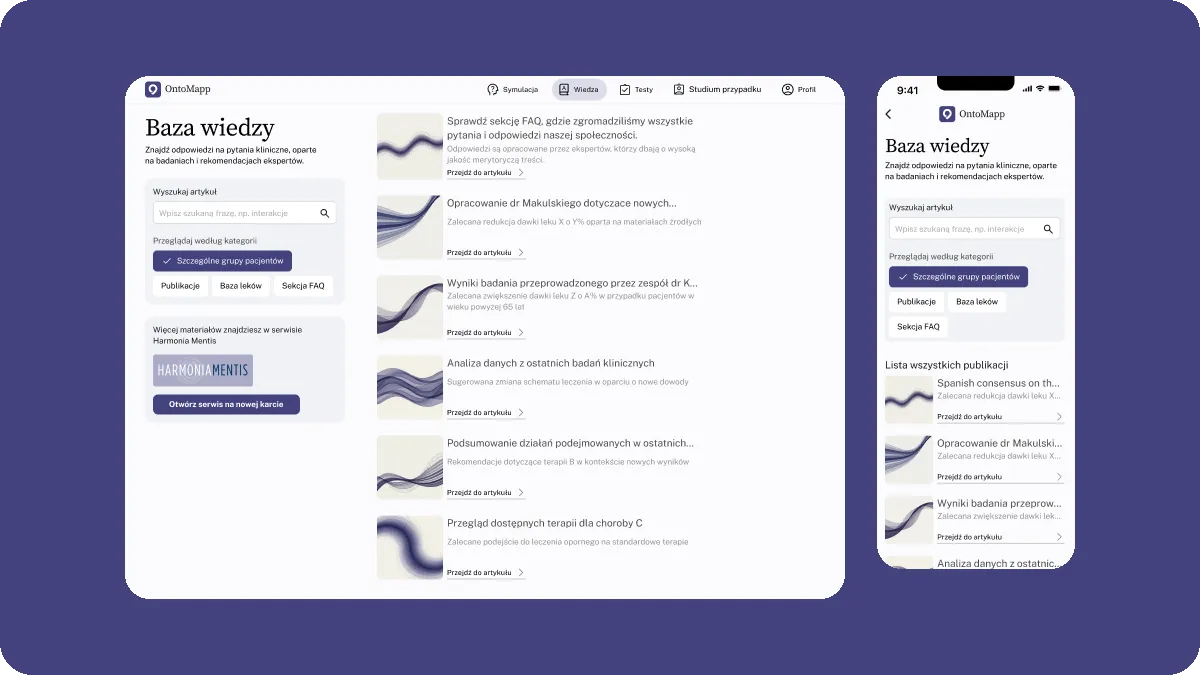
A project built together with medical experts
A Scientific Board took part in the project and was responsible for the medical accuracy of the materials. This let us work on verified clinical assumptions from the design stage.
With the problem well defined, we moved into the design process. We held regular meetings at every stage of work on the app. This let us consult the way information is presented with domain experts.
The main challenge was designing an experience that helps doctors understand educational content better.
In medical projects, accuracy is a prerequisite. From our perspective, it was just as important to settle when users should get the right context.
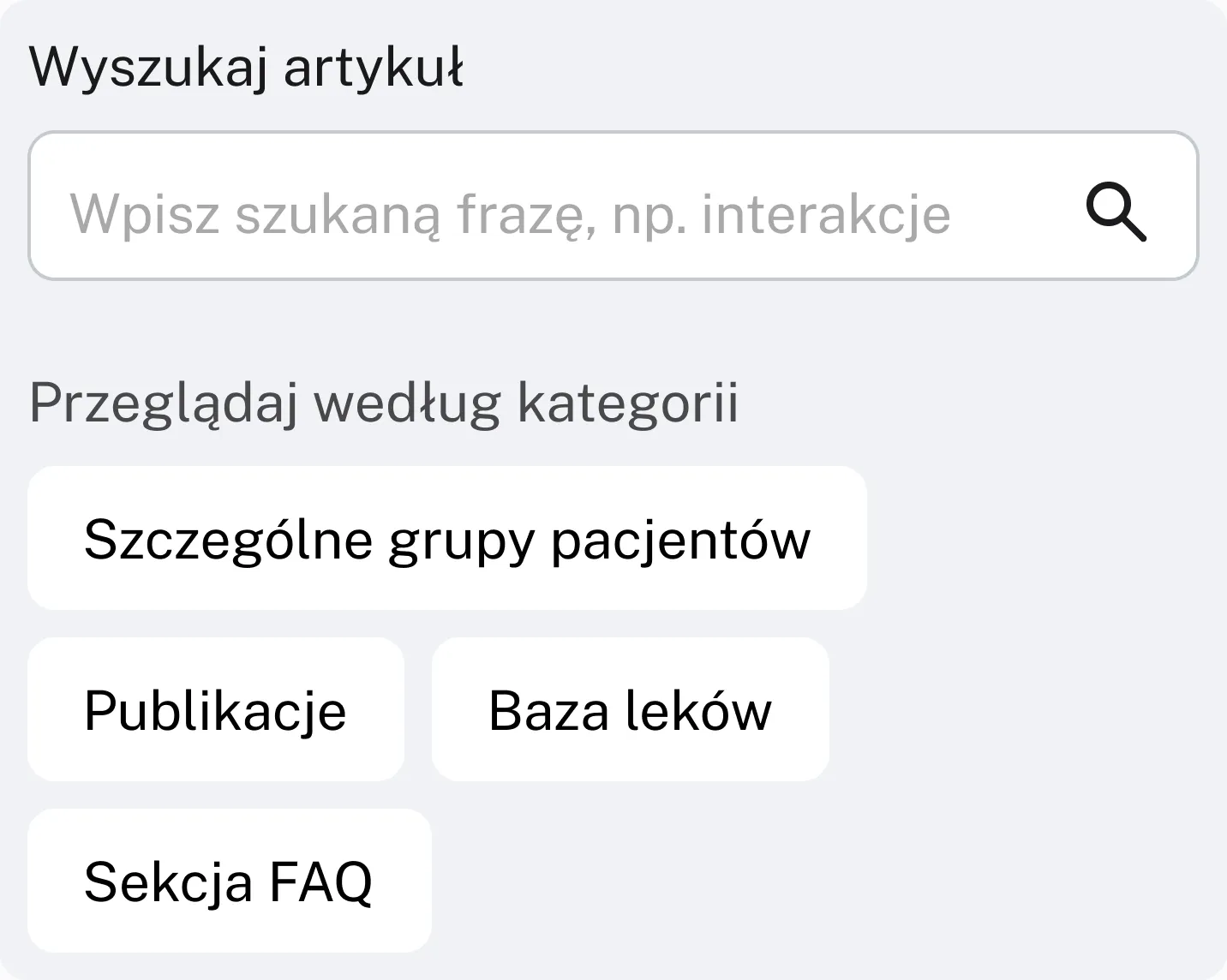
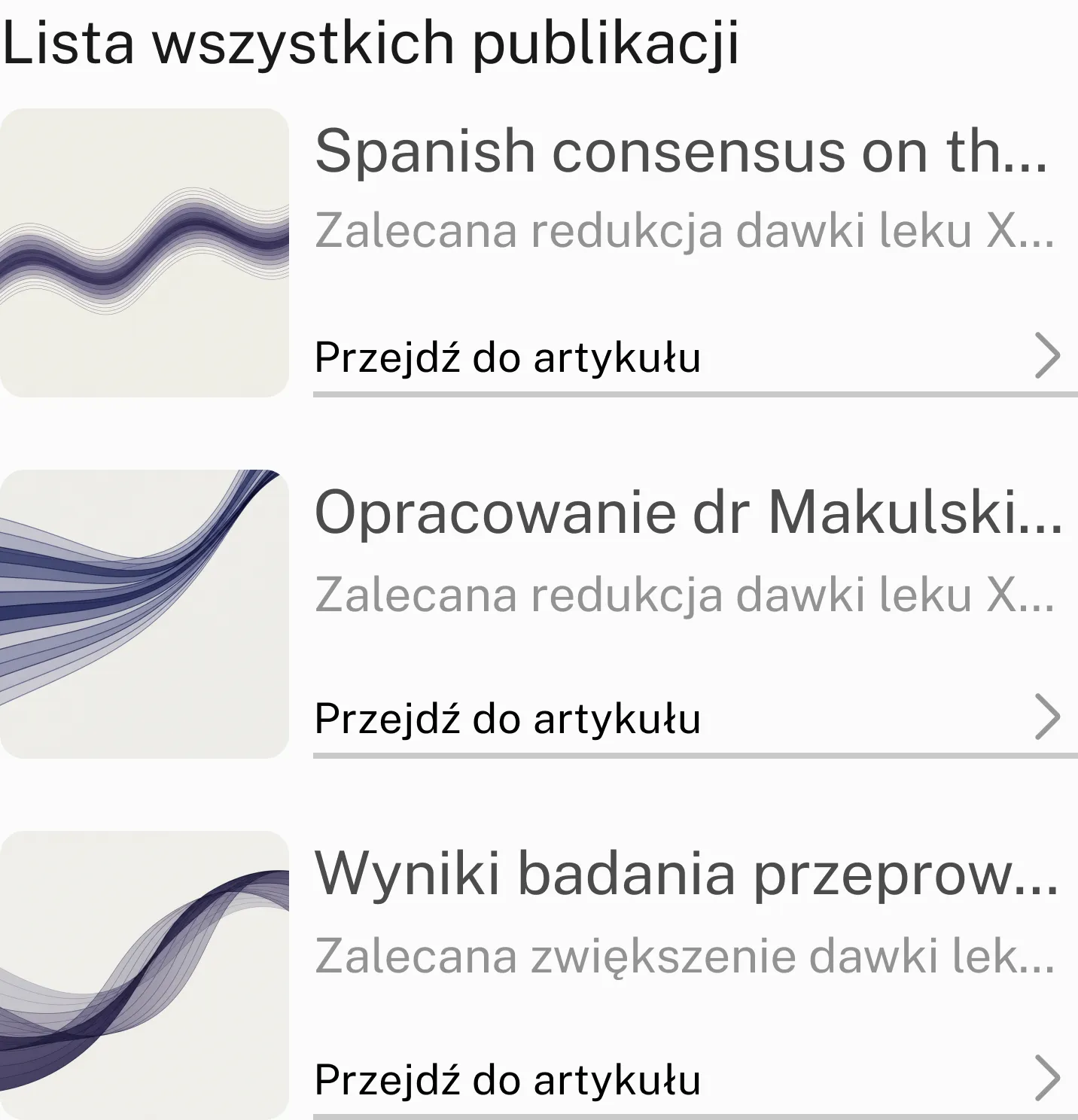
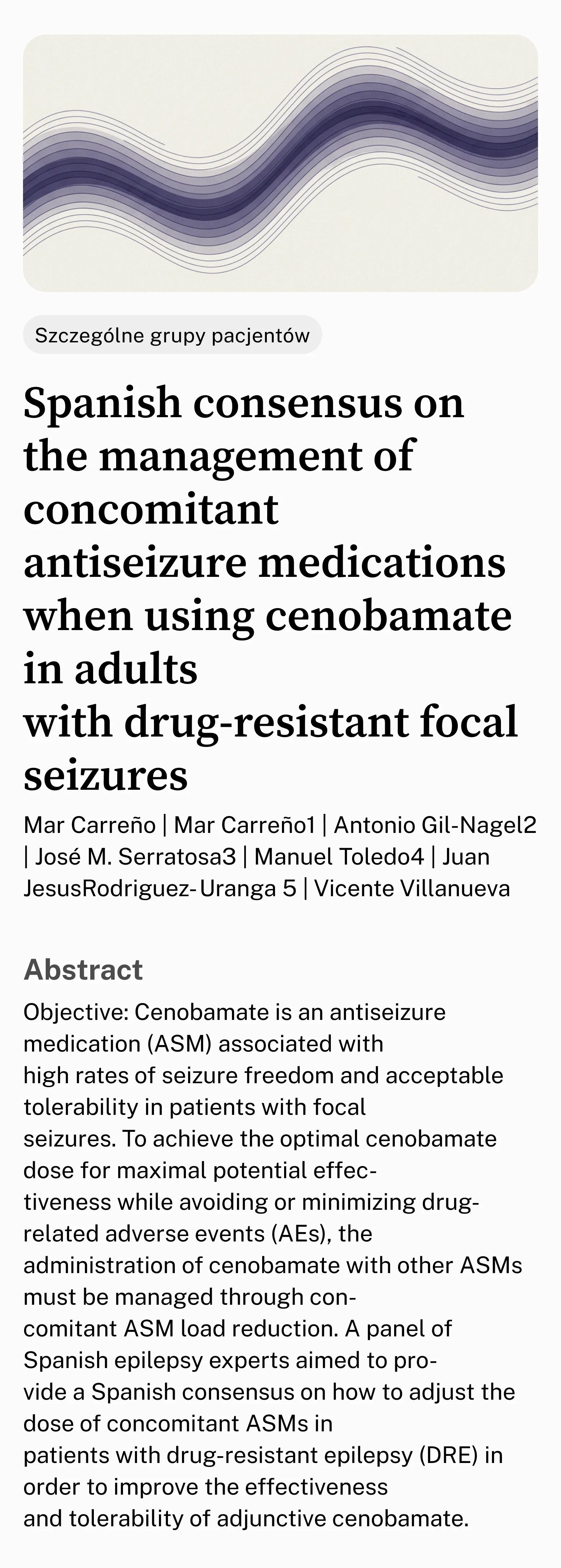

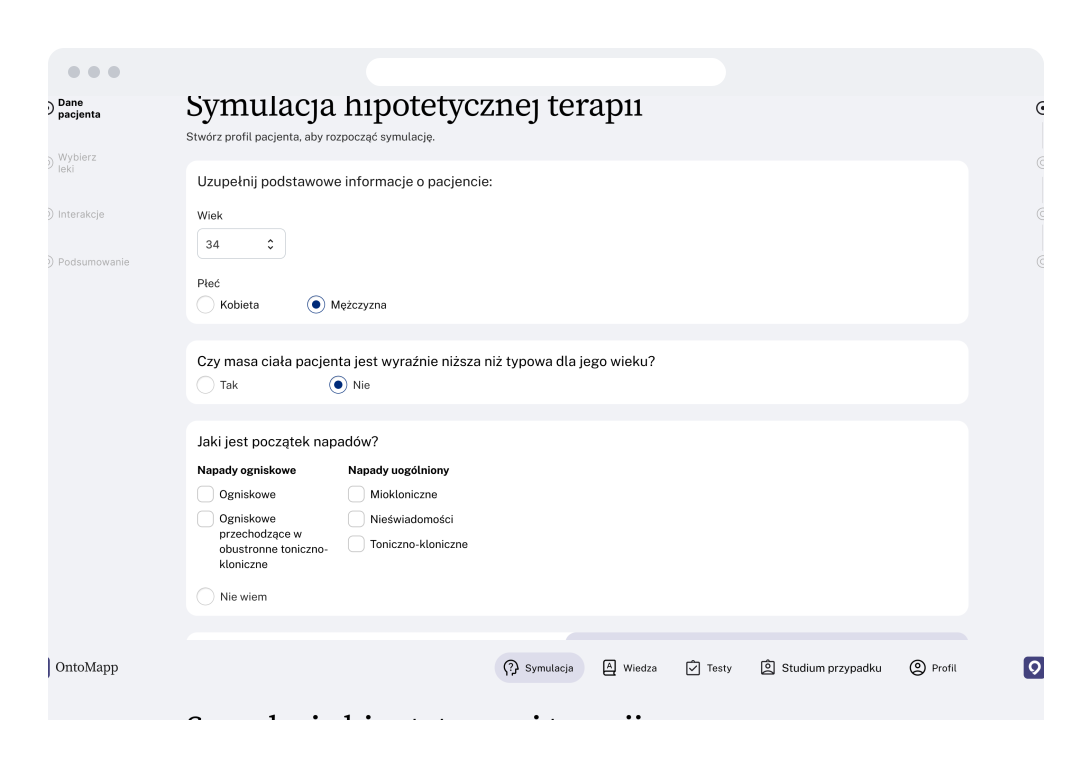
We show additional information only when it is needed
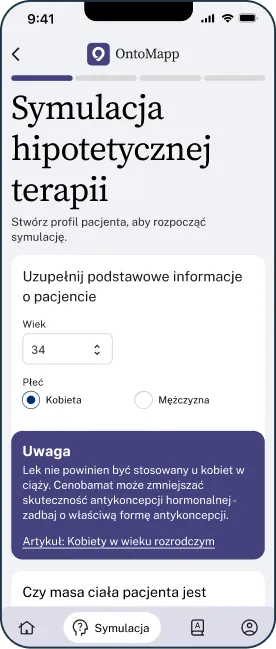
One of the most important elements of the platform was the path of hypothetical educational scenarios on epilepsy therapy.
During the design we noticed that some questions need further explanation. Sometimes it was the definition of a clinical term, sometimes a reference to a scientific article.
Instead of showing all the information at the same moment, we used progressive disclosure. Additional interface elements appear only when a specific condition is met. This helps users understand a given step of the educational scenario in line with the answer they gave.
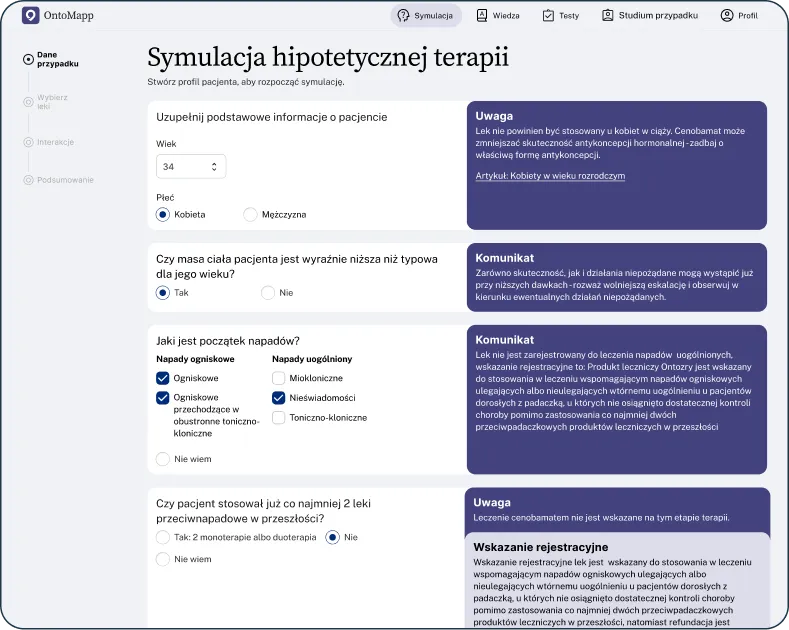
Dynamic forms reduce cognitive load
The next steps of the educational scenario are generated dynamically from the user's previous answers.
This limits the number of elements on the screen and lets users go through the material in a more orderly way.
This matters most in an app viewed on phones.
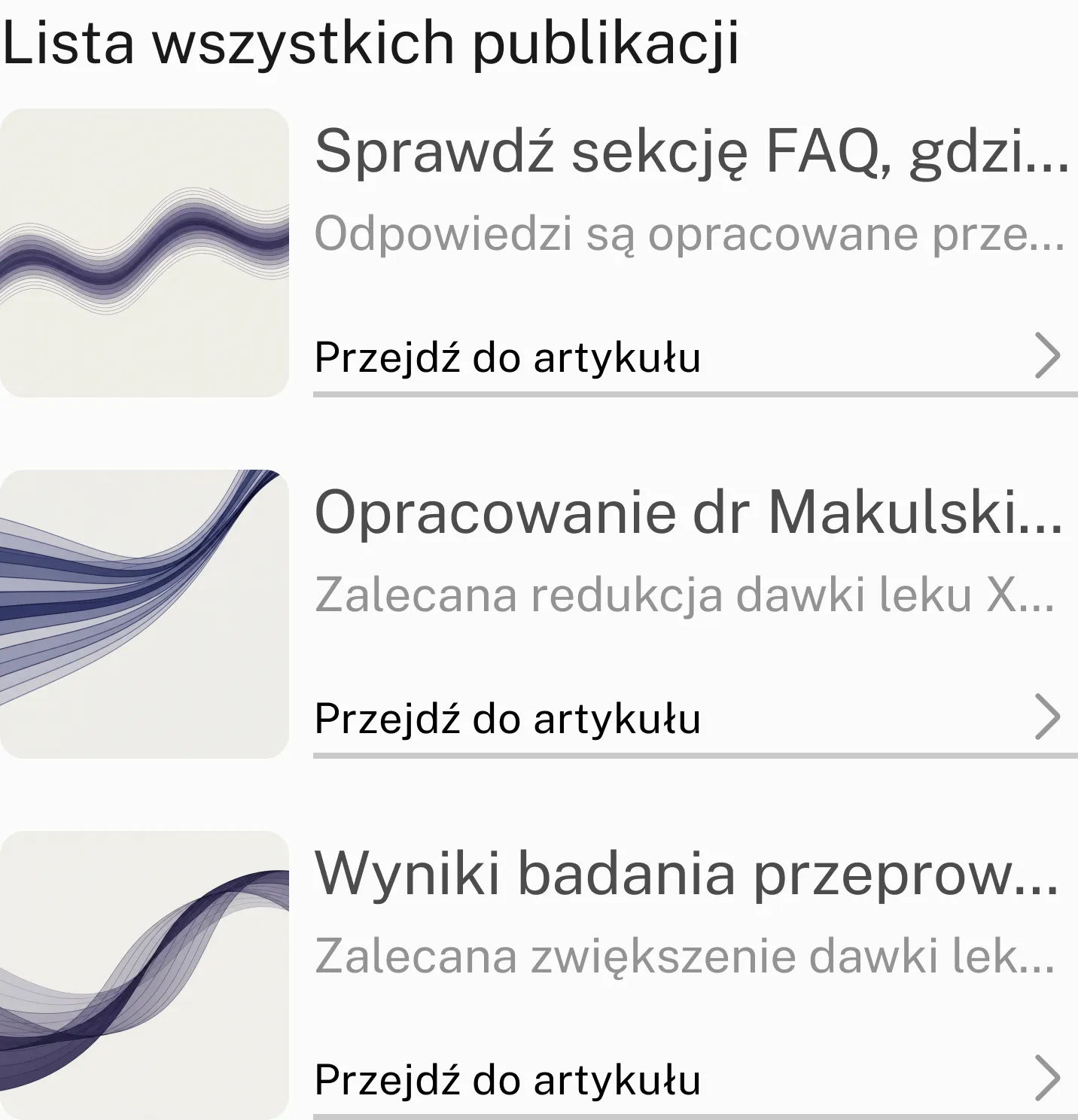
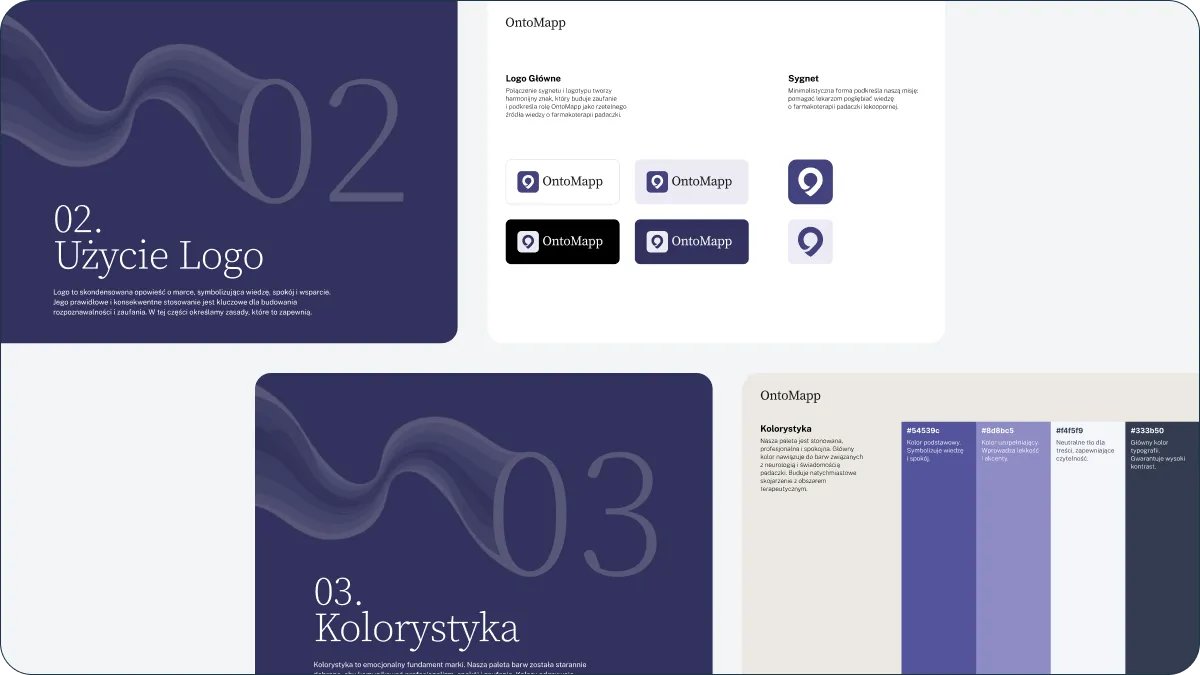
We designed the visual identity together with medical experts too
A Scientific Board was responsible for the clinical accuracy of all materials. It also had a big influence on the visual direction.
At one of the meetings, we learned that in this community the color purple is associated with epilepsy.
Drug interactions presented in a hypothetical scenario
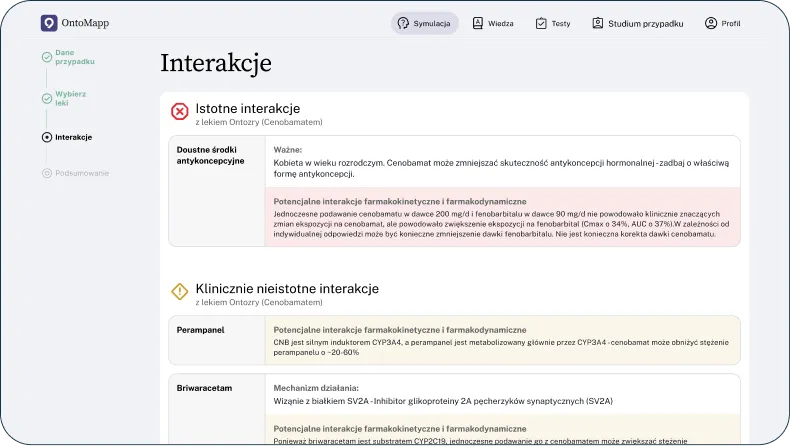
Another key element of the platform is the educational presentation of drug interactions.
In epilepsy therapy, a doctor may work with a large number of substances and source materials. Traditionally, this means analyzing extensive tables and comparing a lot of information.
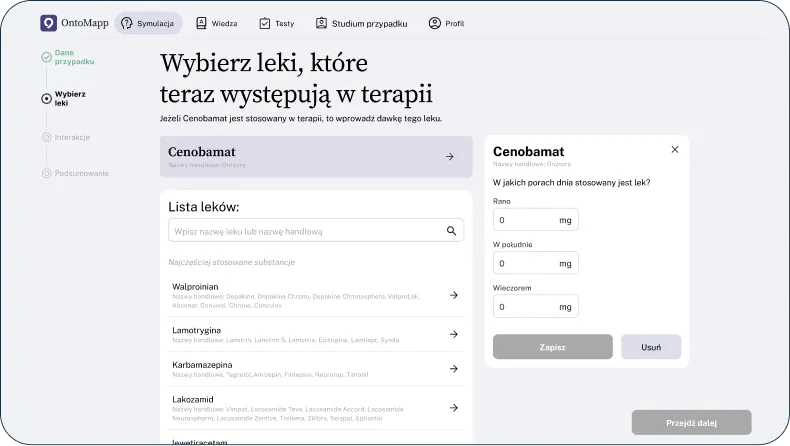
We wanted to simplify this manual work. We designed a dynamic mechanism that shows selected information within an educational scenario.
Instead of searching through extensive data sets, users pick drugs from a list, enter the doses and in the next step get information on potential drug interactions.
Research with users helped us refine the most important parts of the product
Usability tests of the app confirmed the main design assumptions. The app does its job. We also gathered specific pointers for further improvements.
We paid the most attention to the summary screen, because that is where participants had the most suggestions. It is an important moment of the educational path: at this stage, doctors need quick access to the key information and its medical context.
 Tomasz
We ran research with neurologists online. Every session was carefully moderated.
Based on what we learned, we prepared a list of fixes and, thanks to these tests, fitted the product better to the way doctors work.
What value did we deliver to the client?
The project produced a solution that combines medical knowledge, user needs and business goals.
We verified the assumptions before release
Usability tests with neurologists reduced design risk and confirmed the key assumptions before the product was published.
We designed faster access to the right information
Progressive disclosure and dynamic forms help doctors focus on the information that matters in a given educational scenario.
We helped organize complex medical content
The educational presentation of drug interactions makes specialist materials easier to use, so doctors reach the context that helps them understand the drug sooner.
We laid the foundation for further product development
We designed the architecture for further expansion of the medical logic and new educational features.
The tool meets the needs of the pharma industry
The product supports the education of doctors in epilepsy therapy while helping to keep high standards of quality and medical accuracy.
Explore more client stories
Which project is closest to your product?
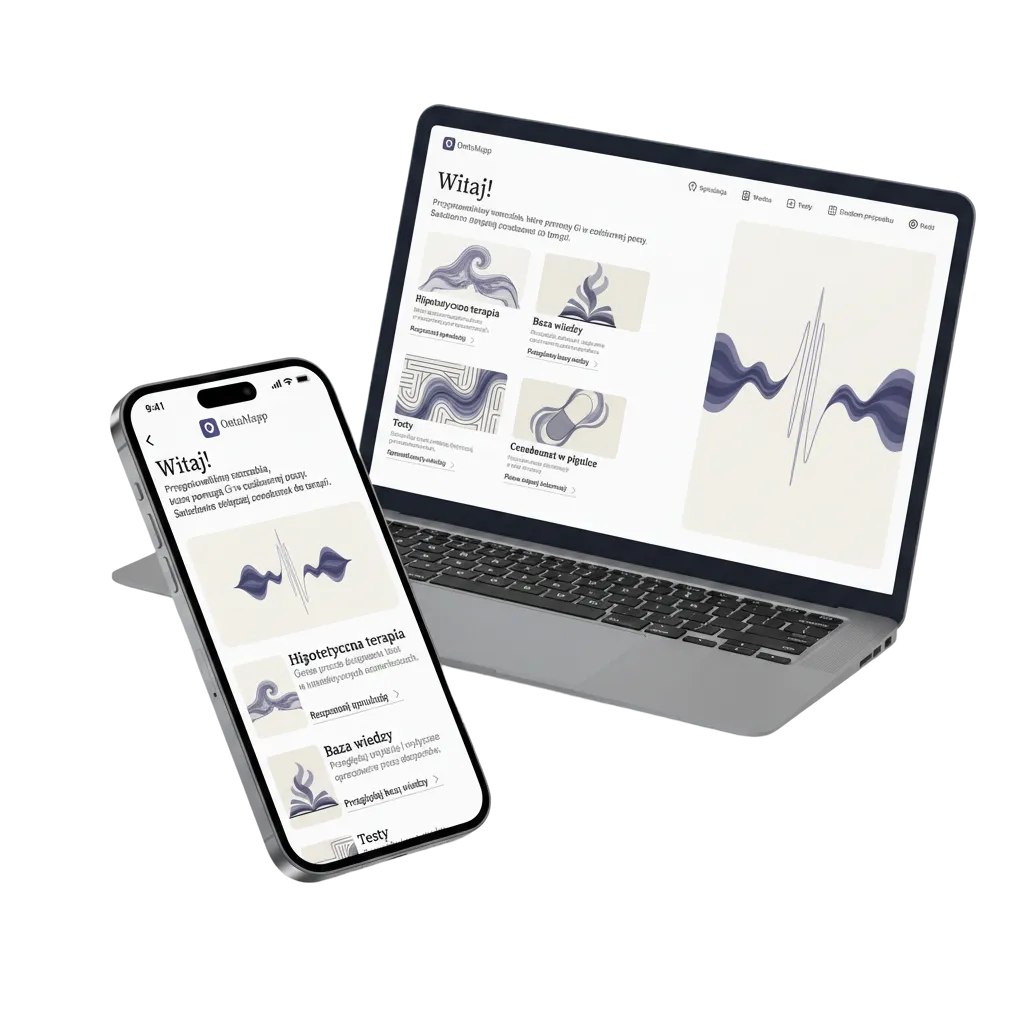 Education platform for neurologists treating drug-resistant epilepsyWe designed a platform that helps neurologists make decisions about anti-epileptic therapy. The project had to bring medical knowledge, user experience and business requirements together in one tool.
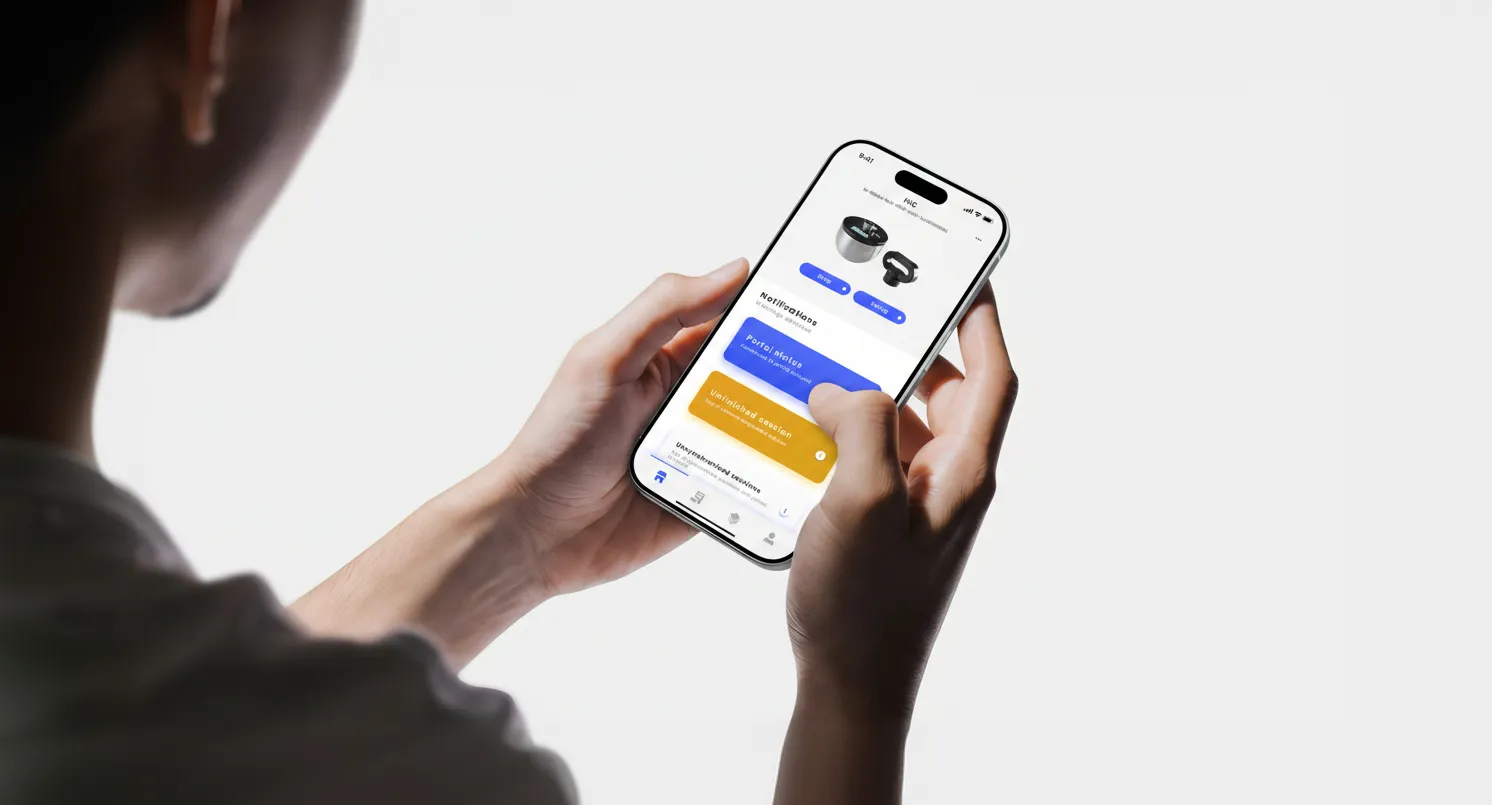 App for assessing the safety of sports surfacesPlaygrounds & Pitches is a mobile and web platform for assessing the safety of sports surfaces. The app works with specialized measuring devices and supports inspectors in the field.
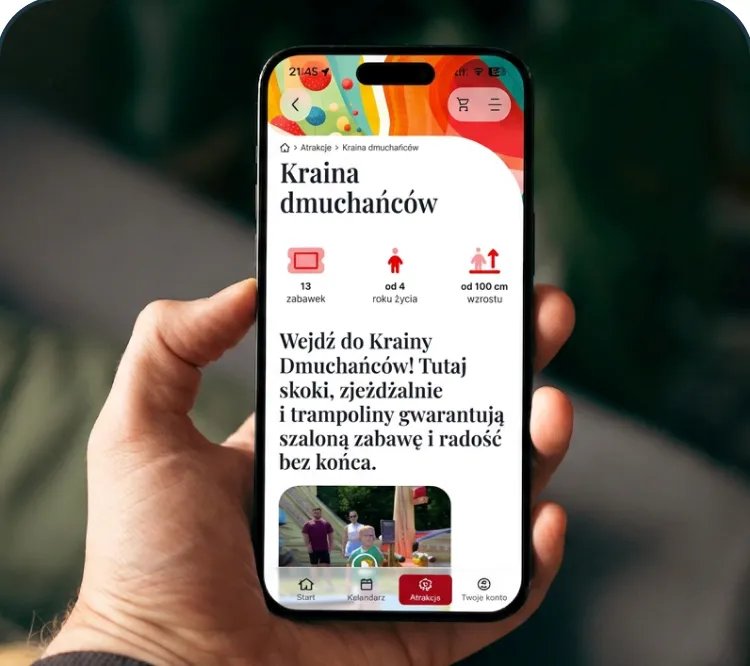 Mobile app for Julinek Amusement ParkJulinek is an amusement park with an established brand and a wide range of attractions. Our task was to design and build a mobile app that lets visitors plan their visits, buy tickets and make the most of the park with ease.
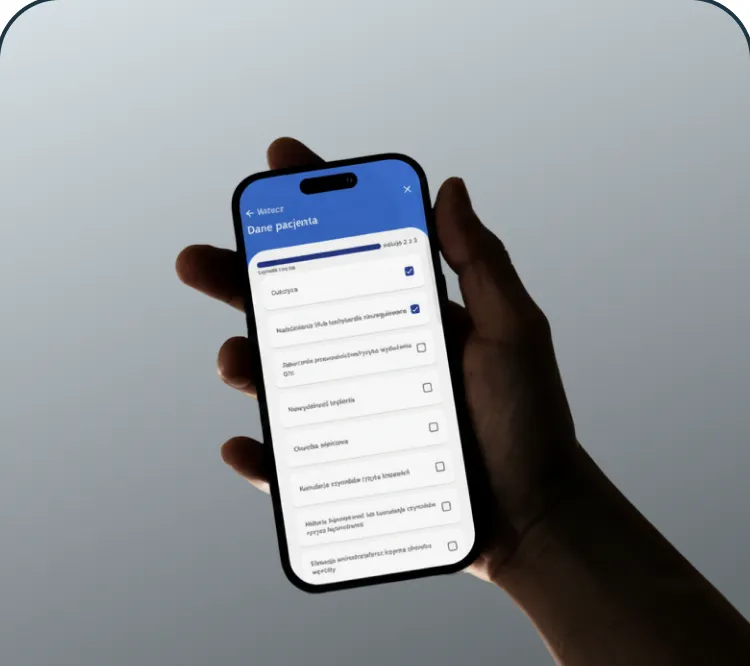 Mental health education app: Diagnozuj i LeczTogether with Angelini Pharma, we created the “Diagnozuj i Lecz” (Diagnose and Treat) app. It supports doctors and people recognizing early symptoms of depression. The main goal of the project is to raise awareness of mental health.
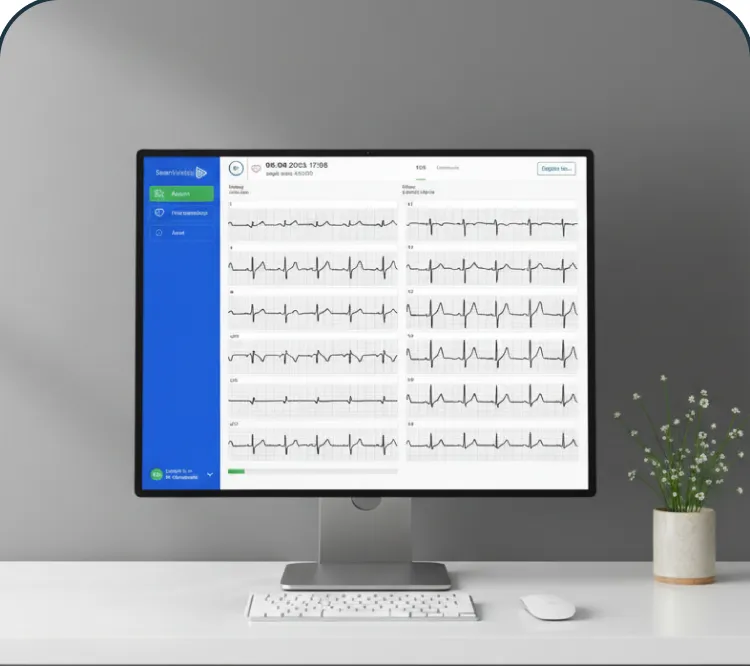 ECG mobile app for SmartMedicsSmartMedics is an innovative app that integrates with ECG devices. It helps doctors diagnose and monitor patients in real time.
Let's talk about growing your project
Whether you are building a startup, growing a company or improving an existing product, we are ready to support you at every stage.